
Introduction
The story of a people can often be told through the foods they prepare and share. For the Santa Rosa First Peoples Community of Trinidad and Tobago, traditional cuisine is far more than sustenance—it is an act of remembrance, resistance, and revival. Each recipe carries the essence of survival, spiritual meaning, and ancestral wisdom passed down through the generations.

- The Sacredness of Food in First Peoples Culture
Among the First Peoples, food was and remains deeply spiritual. The planting, harvesting, preparation, and sharing of food was often accompanied by rituals, prayers, and communal gathering. Meals marked seasonal cycles, rites of passage, and religious observances.
- The Roots of Our Diet: Indigenous Ingredients
Long before European colonizers arrived, the First Peoples relied on a robust diet of native plants and animals. Cassava, maize (corn), sweet potatoes, yam, tannia, and a variety of local fruits were dietary staples. Protein came from hunting agouti, manicou (opossum), wild hogs, and fishing the abundant rivers and coasts.

- Cassava: Bread of Life
Cassava (yuca) was the cornerstone of the ancestral diet. Toxic in its raw form, the First Peoples developed a unique process of grating, pressing, and baking it into cassava bread (ereba), which could be stored for months.

- Spices and Medicinal Flavors
Herbs and spices were not just culinary—they were medicinal. Seasoning included culantro (chadon beni), bird pepper, turmeric, and wild garlic. These flavors not only preserved food but helped strengthen immunity and treat common ailments. - Traditional Cooking Methods
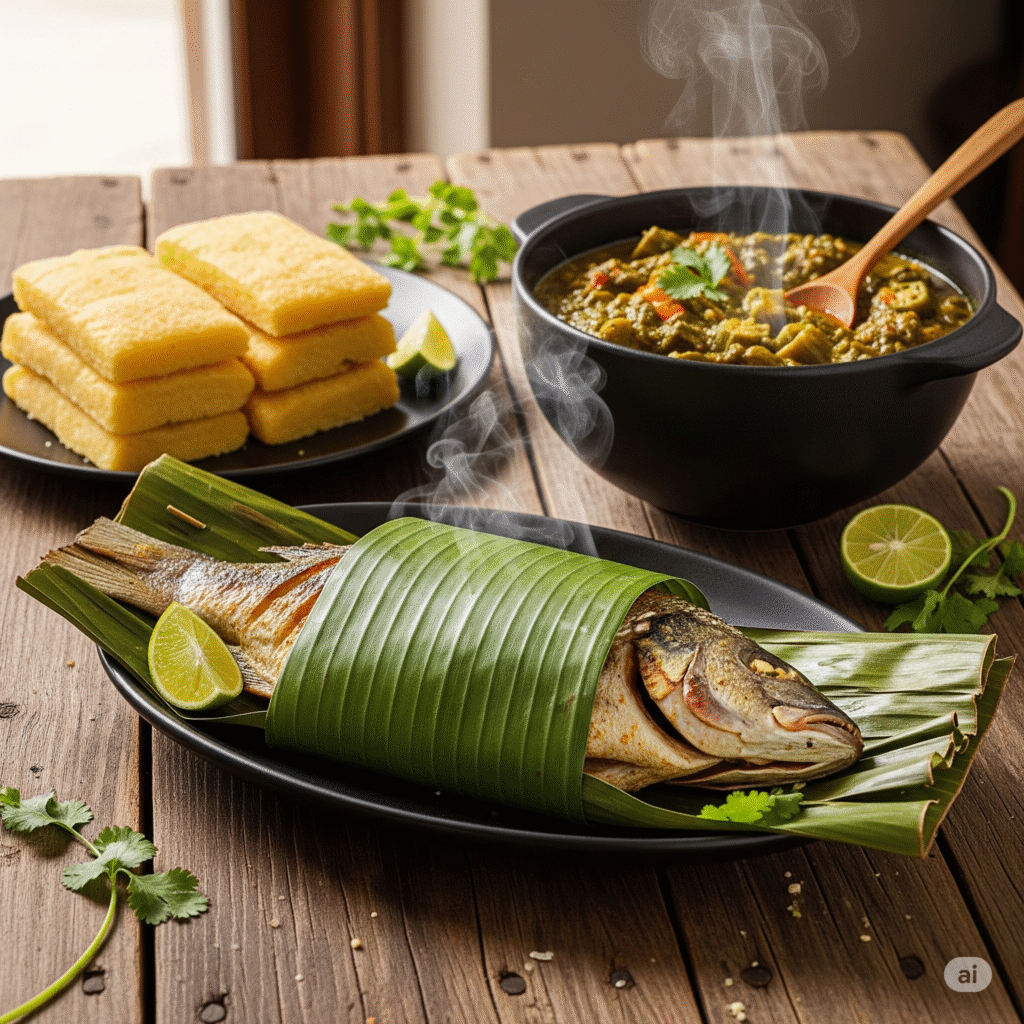
Cooking was done over open fires, in clay pots, or by using leaves such as banana and heliconia for steaming. Tools were handmade—stone mortars, wooden pestles, calabash bowls, and grinding stones all played a role in daily life.

- Feasting and Ceremony
Special dishes were prepared for important events like the Santa Rosa Festival, Rain Ceremonies, and rites of passage. These included soups, roasted game meat, and cornmeal dishes, often shared communally with storytelling and drumming.
- The Disruption of Colonization
The Spanish missions introduced new foods, forced dietary changes, and suppressed many traditional practices. However, some recipes and techniques survived through oral tradition and have recently seen a revival. - Reclaiming the Table: Modern Revivals
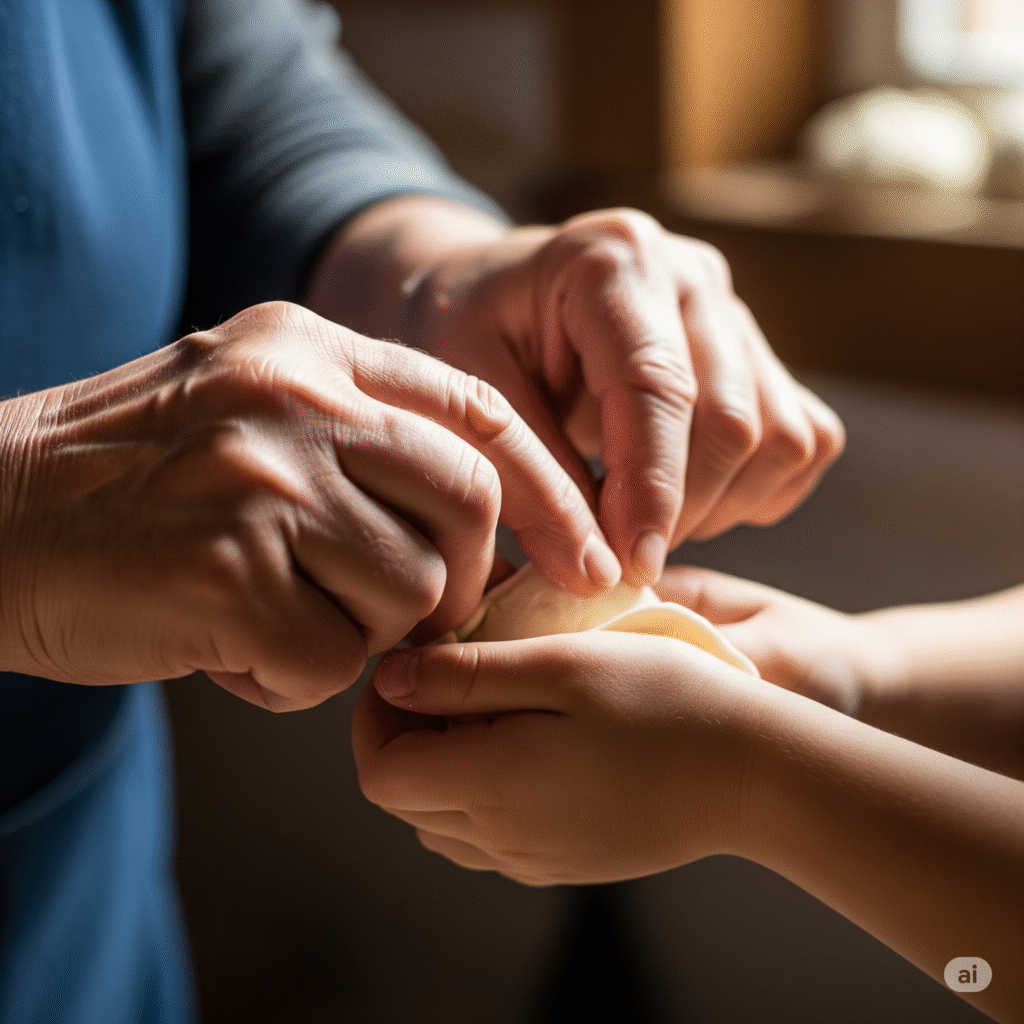
The Santa Rosa First Peoples are working to restore ancestral cuisine through cultural workshops, school programs, and events. Many elders now teach the youth how to grow cassava, prepare native dishes, and honor food as a form of resistance.
- Recipes Passed Down
Some iconic recipes being revived today include:
- Cassava bread
- Calaloo made with indigenous greens
- Grilled fish in banana leaves
- Sweet cassava pone
- What You Can Do
Visitors and locals alike are encouraged to try traditional meals, attend cultural events, and support local indigenous farmers. By doing so, they become part of a living legacy.

Conclusion
In every herb gathered, every root dug, and every dish served, the Santa Rosa First Peoples preserve a legacy of strength and identity. Their cuisine is not just food—it is memory, culture, and healing on a plate. Taste the flavors of our ancestors, and you taste the soul of a people who still rise.